Radon & Real Estate: Testing and Mitigation Before Closing

A high radon result in the middle of a sale feels like a crisis. It isn't. It's a fixable line item — and we handle it fast, on your closing timeline, so the deal stays on track.

Call (970) 639-7503
Fast pre-closing testing & mitigation · We coordinate with your agent
Licensed Colorado Radon Pros
NRPP / AARST Standards
Results Guaranteed

Under Contract? Let's Move Fast.

Tell us your closing date and radon result and we'll tell you honestly whether we can test, install, and verify in time. Call (970) 639-7503 or send the form.

  • Real-estate and pre-closing timelines welcome
  • We coordinate directly with your agent
  • Verification test documented for your disclosure

A High Radon Result Mid-Sale Isn't a Deal-Killer

Yes, we do fast pre-closing testing and mitigation on real-estate timelines — and in most cases a high radon reading is a speed bump, not a stop sign. When a number comes back over the action level during an inspection, it can feel like the whole deal is unraveling: the deadline is close, the other side is nervous, and nobody wants a surprise. Take a breath. Radon isn't a foundation crack or a bad roof. It has a known, permanent, and relatively inexpensive fix, and thousands of Grand Valley homes have quietly been through exactly this.

Mesa County sits in EPA Radon Zone 1, and roughly a third of the homes tested here come back at or above 4.0 pCi/L, so an elevated result is common and expected — not a sign that something is wrong with the house. A standard system runs about $1,500 to $3,000, small next to the sale price, which is why these deals almost always close. Our job is to give both sides a firm number and a realistic timeline so everyone can stop guessing and get back to closing.

Colorado's Radon Disclosure Law

Colorado law requires sellers to disclose what they know about radon before a residential sale closes. The rule is SB23-206, codified at C.R.S. § 38-35.7-112 and effective August 7, 2023. It's brief, but it has teeth, and it's worth understanding whether you're buying or selling.

Under the statute, a seller of residential real property must, before the buyer is obligated under the contract:

There's a companion rule for rentals — C.R.S. § 38-12-803 requires landlords to make radon disclosures to tenants at lease signing. The practical takeaway for a sale is simple: if you've tested, you have to share it, and if you've mitigated, you disclose the system. A documented mitigation with a verification test doesn't just satisfy the requirement — it turns a disclosure into a reassurance. If you're the buyer, this law is your friend: it means the seller's radon knowledge is on the table before you're committed. (This is a plain-English summary, not legal advice — your agent or attorney can speak to your specific transaction.)

Who Pays — Buyer or Seller?

There's no law that assigns it; who pays for radon mitigation is a negotiation, and it can land on either side. In practice, a few patterns come up again and again in Grand Valley deals:

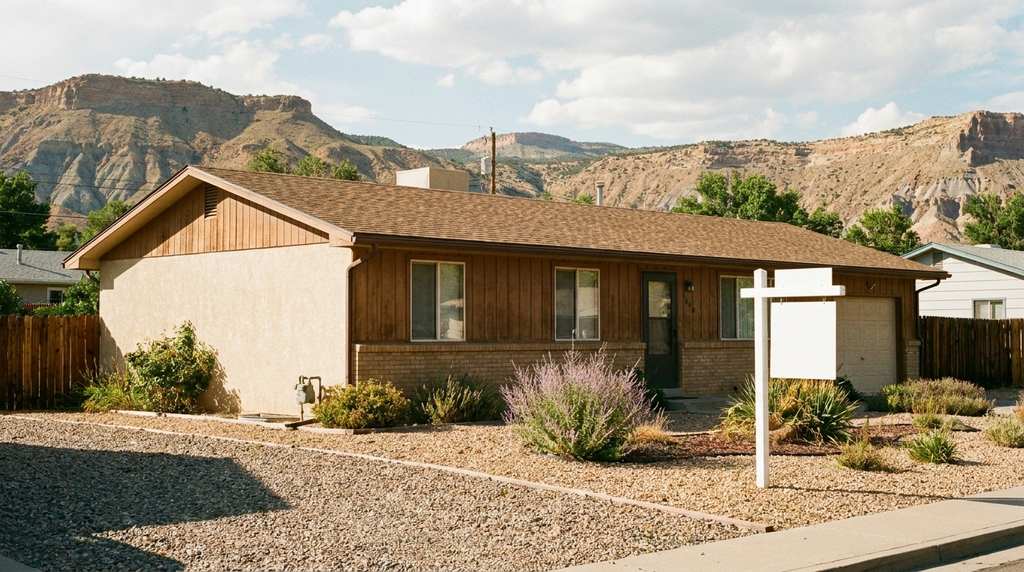
Home under contract in the Grand Valley

Because a standard system is a small figure relative to the sale price, it rarely becomes the sticking point that ends a deal. What matters most is a firm quote and a clear timeline so both sides know exactly what they're agreeing to. We give you that number fast, in writing, so your agent can put a real figure on the table instead of an estimate.

The Timeline to Mitigate Before Closing

The install itself is quick — a standard system goes in during a single visit of three to five hours — so the real schedule is driven by testing and the follow-up verification, not the labor. Here's how a typical pre-closing sequence runs:

Fit inside a normal 30-day escrow? Almost always. Racing a tighter window? Call us with the date and we'll tell you honestly whether it works — we won't promise a timeline we can't hit. When a deal is on the clock, we prioritize it and keep your agent in the loop at every step.

Does a Radon System Hurt Home Value?

No — a radon mitigation system is a selling point, not a liability. This is the worry we hear most from sellers, and it has the story backwards. A visible system with before-and-after test documentation tells a buyer three reassuring things at once: the home was tested, an elevated result was handled by a licensed professional, and the air is now verified safe. That's one less unknown in the transaction, and unknowns are what make buyers nervous.

In a Zone 1 area where buyers are radon-aware, an installed system reads as a home that was cared for. It also makes the seller's disclosure clean — you check the box that a system is installed and hand over the records. The alternative, an untested home in a high-radon county, leaves the buyer to wonder and test on their own dime. Far from lowering value, a documented, working system removes a question the buyer would otherwise have to answer themselves. It ages well, too: the fix is permanent, and the paperwork carries forward to the next sale.

On a Closing Deadline? Call Now.

Give us your date and your number and we'll tell you exactly what it takes to close on time — firm quote, real timeline, no guesswork.

(970) 639-7503

For Realtors: Fast, Reliable Turnaround

When you've got a deal in motion, you need a radon partner who moves at the speed of the transaction — and communicates. We work real-estate timelines routinely, give firm written quotes your clients can act on immediately, and coordinate scheduling directly with you so you're never chasing a status update. As licensed Colorado radon professionals, we pull the required permits and end every job with a documented verification test, which keeps the file clean for disclosure under C.R.S. § 38-35.7-112.

The result is fewer surprises and fewer deals stalled on an inspection item. Whether your client is the buyer asking for a fix or the seller getting ahead of it, we'll give both sides a number they can negotiate around and a timeline they can plan on. Have a listing you know will need testing, or a buyer staring at a high result today? Call (970) 639-7503 and we'll get it handled.

Radon & Real Estate FAQ

Radon test came back high before closing — who pays?

There's no law that assigns it — it's a negotiation, and both outcomes are common. Buyers often ask the seller to install a system as a condition of closing, or to credit the cost at settlement. Sellers sometimes fix it up front to keep the deal clean and their disclosure simple. Because a standard system runs about $1,500 to $3,000, it's usually a small line item relative to the sale price, which is why deals rarely fall apart over it.

Can you mitigate radon before closing, and how fast?

Usually yes. A standard residential system installs in a single visit of three to five hours, so the physical work isn't the bottleneck — scheduling and the follow-up verification test are. When a deal is on the clock we prioritize real-estate timelines and coordinate with your agent, and we can often test, install, and verify inside a normal closing window. Call us with your date and we'll tell you honestly whether it fits.

Should I walk away from a house with high radon, or mitigate it?

High radon by itself is rarely a reason to walk. Unlike foundation or structural problems, radon has a known, permanent, and relatively inexpensive fix, and a properly designed system reliably brings even double-digit readings below the action level. In a Zone 1 county where roughly a third of homes test elevated, walking away often just means starting over on another house that may test the same. Negotiate the fix instead.

Does a radon mitigation system lower home value?

No. If anything it's a selling point. A documented system with before-and-after test numbers tells a buyer the home was tested, the issue was handled by a licensed pro, and the air is safe — one less unknown in the deal. In a high-radon area especially, an installed system reads as a home that was cared for, not a home with a problem.

Is it hard to sell a house with a radon mitigation system?

Not at all. Systems are common across the Grand Valley, and buyers here are radon-aware, so a visible system with paperwork reassures rather than worries them. It also makes your Colorado seller disclosure simple: you check that a system is installed and hand over the records. Far from a red flag, it removes a question the buyer would otherwise have to resolve themselves.

Is a house safe to buy after radon mitigation?

Yes, once a post-mitigation verification test confirms the level is below the EPA action level of 4.0 pCi/L. That test is the proof that matters — not the presence of the pipe, but the number in the air after the system runs. Ask for the verification result and keep it with your closing documents. A working, verified system makes the home as safe from radon as any new build.
Tap to Call — (970) 639-7503