Radon System Repair & Fan Replacement

Fan stopped? System loud, or a re-test came back high? We repair and replace radon systems of any brand across the Grand Valley — and prove the number is back down.

Call (970) 639-7503
Any brand · Passive-to-active conversions · Re-test included
Licensed Colorado Radon Pros
NRPP / AARST Standards
Results Guaranteed

Get a Radon System Diagnosis

Tell us what your system is doing — dead fan, noise, or a still-high test — and we'll tell you what it needs and what it costs. Call (970) 639-7503 or send the form.

  • We service any brand, including builder passive systems
  • Firm pricing before any work starts
  • Every repair verified with a follow-up test

Signs Your Radon System Isn't Working

A radon mitigation system is not "install it and forget it" — it's a mechanical fan that runs 24 hours a day, and like anything mechanical, it can wear out or fall out of tune. The problem is that radon is invisible and odorless, so a failed system gives you no warning on its own. That's why every properly built system has a way to check it at a glance, and why a periodic re-test matters. Here's how to tell yours may need service:

If you're seeing any of these, the fix is usually straightforward and doesn't mean replacing the whole system. Confirming the actual radon level with a fresh radon test is often the first step so we know exactly what we're chasing.

Radon Fan Replacement

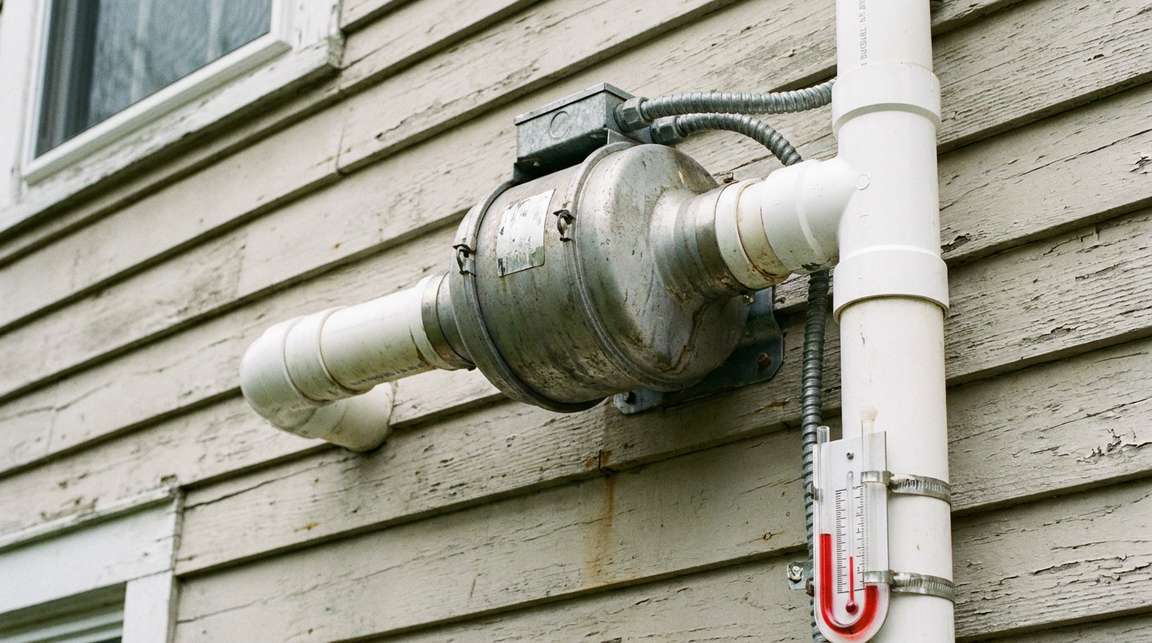
The fan is the heart of the system and the part most likely to need replacing over time. Because it runs continuously and often handles moist soil air, it's a wear item — a good one lasts for years, but none last forever. When a fan fails, radon starts climbing back into the home within a day or two, so a dead fan is worth addressing promptly rather than waiting.

Inline radon fan on an exterior pipe

A fan replacement with Grand Junction Radon means:

A straight fan swap is one of the quicker jobs we do, and it restores a system that was otherwise designed and installed correctly. If the fan keeps failing, that can be a clue the system was under-designed to begin with — which we'll flag rather than just selling you another fan.

Upgrading a Passive or Builder System to Active

Many newer homes in the Grand Valley were built with a passive radon system — a rough-in pipe run from under the slab up through the roof during construction, with no fan. The idea is that natural airflow (the stack effect) draws some soil gas up the pipe. In practice, passive systems often don't lower radon enough on their own, especially in a Zone 1 county like Mesa where starting levels can be high. Homeowners frequently discover this the first time they actually test.

The fix is a passive-to-active conversion: we add a correctly sized inline fan to the existing pipe, install a manometer so the system can be monitored, seal any slab penetrations or the sump that are leaking house air, and then verify the result with a post-mitigation test. Because the pipe route already exists, converting a passive system is usually faster and less expensive than building a new system from scratch. We handle the same way any older active system that's simply under-performing — adding a suction point, upgrading the fan, or improving the sealing until the number comes down and stays down.

We Service Other Companies' Systems — Any Brand

You don't have to track down whoever installed your system to get it fixed — and plenty of Grand Valley homeowners can't, because the original installer moved on or went out of business. We repair, upgrade, and re-verify radon systems regardless of who built them. Buying a house with an existing system and want to know it actually works? Inherited a fan that's making noise? Got a home inspector's note that the system is "non-functional"? Those are everyday calls for us.

When we look at an existing system, we inspect the pipe routing and discharge point, the fan, the sealing at the slab and sump, and the manometer, then give you an honest read: repairable as-is, worth upgrading, or better reworked — with a firm price either way. As licensed Colorado radon professionals building to national ANSI/AARST standards, we bring any system we touch up to a standard we're willing to verify with a test. Because a repair or fan swap usually involves an electrical connection and sometimes a new penetration, it can require a permit through Mesa County or the City of Grand Junction, which we handle for you. Curious what a repair or a full system runs? Our cost guide breaks it down.

Get Your System Working Again

Dead fan, loud system, or a re-test that won't come down — tell us what it's doing and we'll tell you what it needs, with a firm price today.

(970) 639-7503

Radon Repair & Fan FAQ

How long do radon fans last?

A quality radon fan typically runs for years of continuous 24/7 service before it wears out, but lifespan varies with the fan, the moisture it handles, and how hard it has to work. The clearest sign a fan is failing is the manometer: if the two liquid columns on that U-tube gauge have moved to the same level, the fan has stopped pulling and needs replacing. We can swap a fan quickly and re-test to confirm the system is back below the 4.0 pCi/L action level.

Why is my radon system loud or humming?

A correctly sized, properly mounted radon fan is quiet enough that most people stop noticing it within a day. New noise, humming, or rattling usually means one of a few things: the fan bearings are wearing out, the fan is the wrong size for the home, or it isn't mounted with the right vibration isolation. Water pooling in the pipe can also cause gurgling. Each of these is repairable — often we can quiet the system by replacing the fan or correcting the mounting rather than rebuilding it.

My post-mitigation test is still high — what now?

A system that runs but doesn't get you under 4.0 pCi/L is usually under-designed or has developed a leak: too few suction points, a fan that's too weak, an unsealed sump or crack pulling house air instead of soil gas, or poor sub-slab communication. We diagnose the system, find where it's losing suction, and correct it — adding a suction point, upgrading the fan, or resealing — then re-test to prove the number came down. You don't have to start over from scratch.

Can you convert a passive builder system to active?

Yes, and it's one of the most common calls we get. Many newer Grand Valley homes were built with a passive radon rough-in — the pipe is there, but there's no fan, so it relies on natural airflow and often doesn't lower radon enough. We convert a passive system to active by installing a correctly sized inline fan, adding a manometer, sealing what needs sealing, and verifying the result with a post-mitigation test. It's typically faster and cheaper than a system built from nothing because the pipe route already exists.

Will you service a radon system another company installed?

Yes. We repair, upgrade, and re-verify systems no matter who installed them, including systems from companies no longer in business. We'll inspect the existing pipe, fan, sealing, and manometer, tell you honestly whether it can be repaired or should be reworked, and give you a firm price either way.
Tap to Call — (970) 639-7503